On Friday President Donald Trump warned California election officials that they will go to prison if they count mail-in ballots from about 20,000 people who have been identified as possible noncitizens by the federal government, intensifying the legal dispute with the state mere weeks before the midterm elections.
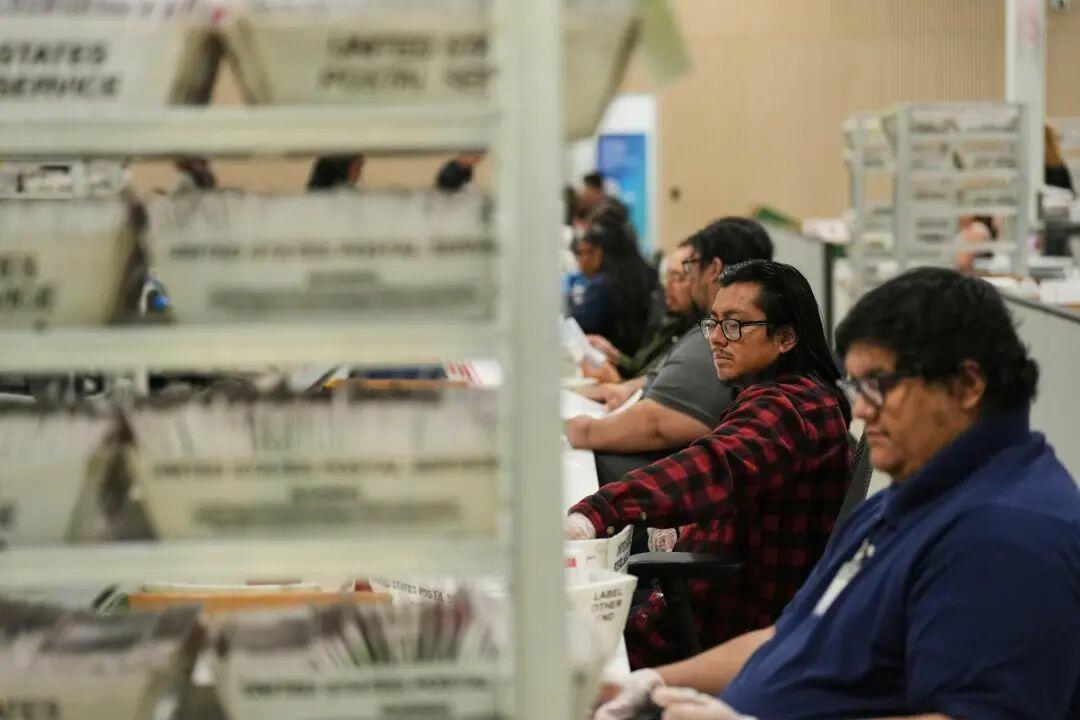
California's voter registration system relies on applicants attesting to their own citizenship, and county officials argued that the system obligates them to count ballots from registered voters. The Trump administration disagrees.
"They will all go to jail for a long period of time!!!" Trump wrote on Truth Social on Oct. 16. He attached a copy of a Justice Department letter to Los Angeles County that promised "significant" consequences for "facilitating or ignoring" noncitizens voting in a federal election.
"The legal consequences for either facilitating or ignoring a federal crime are significant," the letter reads. "Noncitizen voting in a federal election is a federal crime-and knowingly facilitating such conduct is equally unlawful. Under 18 U.S.C. § 611(a), noncitizens are prohibited from voting in any election involving federal offices."
The letter continued:
Under 18 U.S.C. § 2, anyone who aids, abets, counsels, induces, or procures the commission of a federal offense is equally liable. If persons knowingly tabulate ballots cast by individuals identified by federal agencies as noncitizens, they risk becoming aiders and abettors to a federal crime. Your assertion that ballots must be counted simply because California's registration system relies on self-attestation does not relieve election officials of their obligations under federal law when they are on actual notice of noncitizen voting. Nor can state procedures supersede federal criminal statutes.
Trump's post followed a week of escalating federal action. Earlier in the week, the DOJ mailed California election officials a USB drive containing voter roll citizenship data, then sent a separate letter with the password needed to open it. According to a report from The Hill, the state had 48 hours to compare 20,000 names that the Department of Homeland Security (DHS) identified as non-U.S. citizens against its own voter rolls.
On Thursday, the DOJ sued California. "If California was unable to independently confirm the citizenship of people on that list, the Federal Government asked that California set aside ballots received from them until the person's citizenship was confirmed," the lawsuit reads.
Under this approach, the state would hold the ballots in question until officials verified the voters' citizenship. The lawsuit does not ask California to discard the ballots outright.
Earlier this year, Trump said California and three other states together had 250,000 noncitizens on their voter rolls. His opponents dispute that number.
California Democratic Gov. Gavin Newsom called the lawsuit a "sad, desperate attempt by Trump to use his politicized Justice Department to try to suppress California voters just three weeks before Election Day."
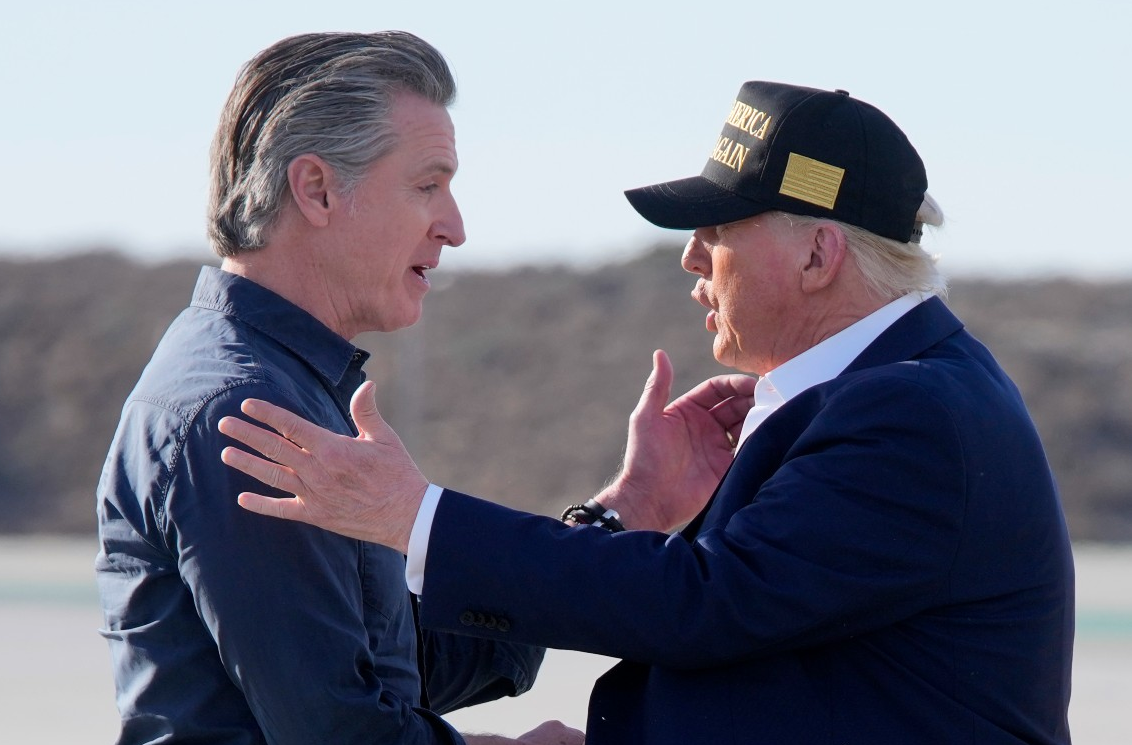
"The courts have made clear that the federal government has no role in how a state carries out its election process, and now, in the middle of Californians voting, they have asked local officials - who do a damn good job defending democracy - to violate federal law," Newsom said, but did not specify which federal law he claims the DOJ's request would require local officials to break.
Outside groups have also moved against the administration. In September, the UCLA Voting Rights Project sued the DOJ and DHS, challenging the method the administration used to count noncitizens registered to vote. The group plans to seek a temporary restraining order if the administration does not drop its plans for a criminal crackdown on state officials.
"Your clients' actions in compiling the list violates established law; your efforts to employ this list to systematically purge voters, less than a month before the election, further violates the National Voter Registration Act, among other laws," attorneys for the group claimed in their latest letter to the DOJ.

No comments:
Post a Comment
Note: Only a member of this blog may post a comment.